Our People
 Our Ethos
 Innovations
 News
News Events
 Water Hygiene Compliance Services
 Water Treatment Services
 Air Hygiene Services
 Asbestos Management
 Mechanical & Electrical Compliance
 Pre-Commissioning & Commissioning
 Legionella Training Courses
 Data Centres
 Hospitality & Retail
 Healthcare
 General Infrastructure
 Construction
 The Care Sector
 Offices
 Housing Associations
 Food & Beverage
 Manufacturing & Industrial
 Local Council & Community Buildings
 Schools, Colleges & Universities
 Defence
 Strong Foundations
 Strategic Value
 Technology
 Careers
 Call Us
 Email Us
 Locations
 Home
Home
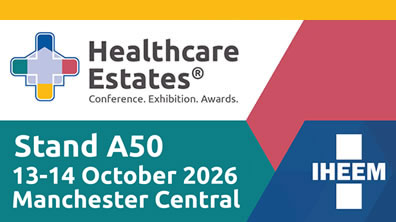
5 Oct, 2026
Healthcare Estates is just one week away!
Read More
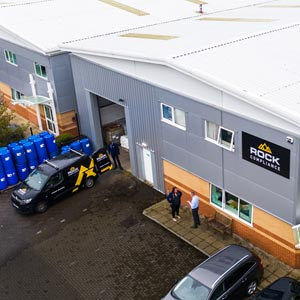
We've taken the best regional players and integrated them into one national platform, embracing the can-do culture of our roots in all that we do.
FIND OUT MORE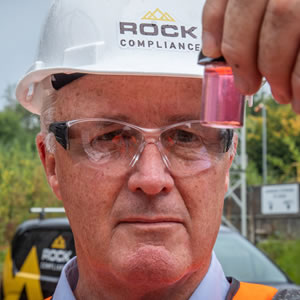
We work at pace with our clients, adapting quickly to deliver our proven solutions in all sectors of business and industry across the UK.
FIND OUT MORE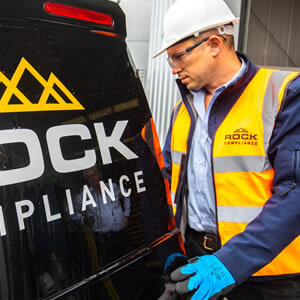

Are you an FM provider looking for a partner to deliver your compliance services? We have national coverage, 200 engineers and a huge support team, so youâ??re in the right place.
Welcome to Rock Compliance.
FIND OUT MORE
If you would like to talk to us about how we can work with you or are interested in joining Team Rock, please get in touch.
FIND OUT MORE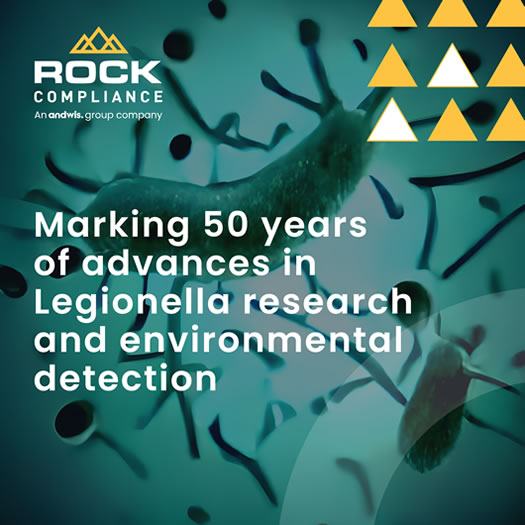
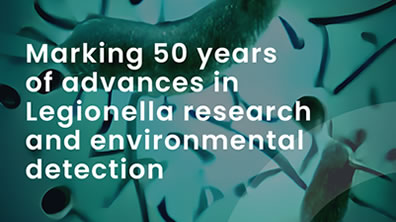
This month marks 50 years since the event that brought the dangers of Legionella to the public attention and gave rise to the term ‘Legionnaires’ disease’.
From July 21 to July 24, 1976, more than 2,000 members of the Pennsylvania chapters of the American Legion attended their annual state convention at the Bellevue Stratford Hotel on Philadelphia’s Broad Street. In the days that followed, several of the retired servicemen began suffering from mysterious atypical forms of pneumonia. At the time, nobody knew what was causing it.
In August 1976, TIME magazine published ‘The Philadelphia Killer’, covering the mystery illness. The article explored every possibility. A new strain of influenza, swine flu, toxic chemicals, food poisoning, terrorism and even psychological illness were all considered. Scientists, doctors and public health officials were racing to find answers, while the number of cases and deaths continued to rise. Today, we know the cause was Legionella bacteria.
Almost 50 years later, our understanding of Legionella has transformed. We know the bacteria can grow in poorly managed manmade water systems and spread through tiny airborne water droplets. We understand the conditions that allow it to multiply and, most importantly, how to prevent outbreaks through effective risk assessment, monitoring, temperature control, cleaning, disinfection and ongoing water management.
What was once a frightening medical mystery is now a preventable risk when water systems are properly designed, maintained and managed. The story of Legionella isn’t only about one outbreak in Philadelphia. It’s about the decades of research, legislation and good practice that followed, helping to protect millions of people every day.

 Customer Case Studies
Download our case study booklet to learn more about our many successful compliance projects throughout the UK
DOWNLOAD 
For an informal chat on how we can work with you,
please complete this form and we will be in touch.
 Unit 2, 10 Tything Road West,
Arden Forest Industrial Estate,
Alcester, Warwickshire, B49 6EP
MINIMISING RISK. DELIVERING COMPLIANCE. MAKING IT SIMPLE.
Company Registration Number 02902353